
Understanding Joint Managing Conservatorship in Fredericksburg, Texas
Key Takeaways: Joint managing conservatorship is the presumed custody arrangement under Texas law, but it does not require equal parenting time. Courts evaluate several factors before ordering this arrangement, and a history of family violence can remove the presumption entirely. Parents with complex assets should understand how conservatorship orders affect decision-making rights over education, healthcare, and financial matters. Working with a child custody lawyer in Fredericksburg, Texas can help you protect both your parenting time and your child’s long-term stability.
If you are navigating a divorce, separation, or custody modification in the Fredericksburg area, understanding how Texas defines and structures conservatorship is essential. In Texas, “custody” is legally referred to as “conservatorship,” which describes the parent-child relationship under court order. Texas recognizes three types of conservators: Joint Managing Conservator, Sole Managing Conservator, and Possessory Conservator. Joint managing conservatorship is the most common arrangement, as Texas Family Code § 153.131(b) establishes a rebuttable presumption that appointing both parents as joint managing conservators serves the child’s best interest. However, this presumption is not absolute, and courts retain broad discretion based on each case’s facts.
If you have questions about how conservatorship may apply to your situation, Lackey Law is prepared to provide guidance. Call 888-705-0307 or reach out to our team to discuss your options.
How Joint Managing Conservatorship Works Under Texas Law
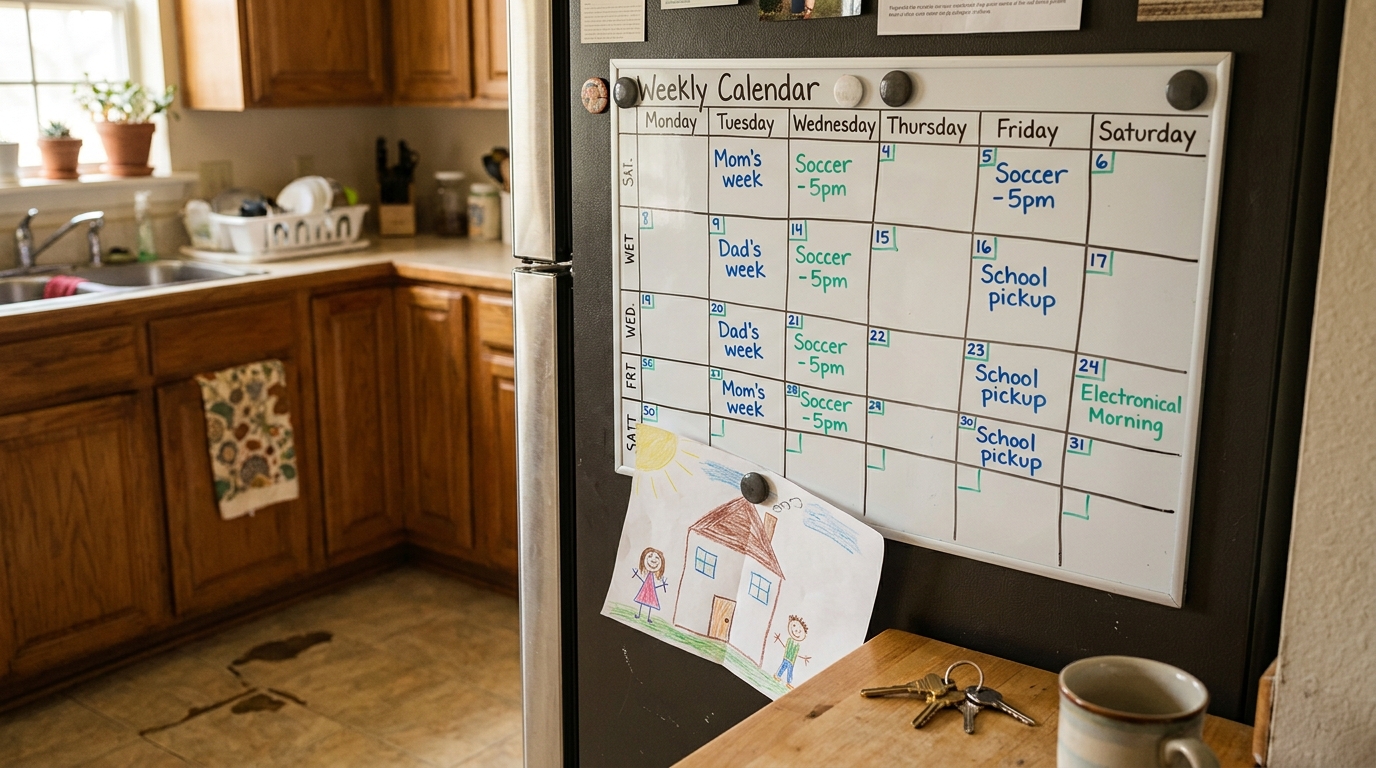
Joint managing conservatorship means both parents share decision-making authority on key issues affecting the child, including education and healthcare, but it does not mean equal time division. This is one of the most misunderstood aspects of joint custody in Texas. Texas Family Code § 153.135 explicitly states that equal or nearly equal periods of physical possession are not required under a joint managing conservatorship order. Typically, one parent receives the exclusive right to determine the child’s primary residence within a specified geographic area. That parent is commonly called the “custodial parent,” though this is an informal term not used in the Texas Family Code.
The allocation of rights and duties within joint managing conservatorship can be structured in several ways. Under Texas Family Code § 153.133, parents may file an agreed parenting plan that designates which conservator holds the exclusive right to designate the child’s primary residence and allocates remaining parental rights and duties either independently, jointly, or exclusively. The plan may also include provisions for alternative dispute resolution, particularly useful for parents who share obligations related to business interests, retirement accounts, or educational trusts.
💡 Pro Tip: If you and your co-parent share responsibility for decisions involving private school tuition, 529 plans, or extracurricular expenses, address those obligations clearly within your parenting plan to avoid costly disputes later.
What Courts Consider Before Ordering Joint Conservatorship
When parents have not filed an agreed parenting plan, courts must evaluate specific statutory factors before ordering joint managing conservatorship. Under Texas Family Code § 153.134, these factors include the parents’ ability to prioritize the child’s welfare and reach shared decisions, each parent’s participation in child-rearing before filing, and geographic proximity of the parents’ residences. Courts weigh these considerations against the overarching standard set by Texas Family Code § 153.002, requiring that the child’s best interest always be the primary consideration.
For families with complex financial structures, the court’s analysis may extend into how each parent has historically managed the child’s day-to-day needs. If one parent operates a business requiring significant travel or irregular hours, the court may consider how that schedule affects parenting capacity. Similarly, if parents live in different parts of the Hill Country or beyond, geographic distance can influence both the feasibility of shared decision-making and possession schedules.
💡 Pro Tip: Document your consistent involvement in your child’s education, medical appointments, and daily care well before any court hearing. Courts closely examine each parent’s track record when determining conservatorship arrangements.
The Role of Family Violence in Conservatorship Decisions
A history of family violence fundamentally changes the court’s approach to conservatorship. Under Texas Family Code § 153.131(b), a court’s finding of family violence involving the parents removes the rebuttable presumption favoring joint managing conservatorship. This means the court is no longer required to assume joint conservatorship serves the child’s best interest. If credible evidence of family violence exists, the court may instead appoint one parent as sole managing conservator and limit the other parent’s rights and possession time accordingly.
Parents who have experienced violence or threats should understand that Texas law provides a clear framework for addressing safety within custody proceedings. Courts take this issue seriously, and evidence-based presentations of family violence concerns can significantly affect conservatorship outcomes. You can review the full text of Chapter 153 for the statutory provisions governing these determinations.
Child Custody Lawyer Fredericksburg Texas: Why Legal Guidance Matters
Conservatorship decisions carry long-term consequences for your parenting rights and your child’s stability. Whether you are addressing decision-making authority, possession schedules, or protecting assets held in trust for your children, each element of a conservatorship order requires careful legal analysis. A child custody lawyer in Fredericksburg, Texas who understands Gillespie County courts can help you approach this process with clarity.
Families managing layered financial interests face additional considerations during custody proceedings. If a parenting plan must account for shared decision-making about a child’s school enrollment, allocation of extracurricular costs, or contributions to education savings vehicles, those terms should be drafted with precision. Lackey Law provides legal guidance on structuring these provisions. Note that Lackey Law is not a financial advisor or CPA and does not provide financial, tax, or investment advice.
💡 Pro Tip: If your divorce involves a family business, equity compensation, or retirement accounts, ensure your conservatorship order and property division work together. A well-drafted parenting plan should account for how financial obligations to the child interact with asset division.
Child Support and Joint Managing Conservatorship
Joint managing conservatorship does not eliminate child support obligations. Under Texas Family Code § 153.138, the appointment of joint managing conservators does not impair or limit the court’s authority to order one joint managing conservator to pay child support to the other. Support calculations generally follow statutory guidelines, but cases involving business income, investment portfolios, or variable compensation may require additional analysis to determine accurate income figures.
Parenting Plans and Decision-Making Allocation
An agreed parenting plan gives both parents a structured framework for exercising their rights and responsibilities. Texas Family Code § 153.133 requires the plan to designate which parent holds the exclusive right to determine the child’s primary residence and allocate all remaining rights and duties. These plans may incorporate alternative dispute resolution mechanisms, such as mediation, which can resolve disagreements without returning to court. For a broader understanding of conservatorship in Texas, review how these designations interact with possession and access orders. Unless the parties agree otherwise:
|
Conservatorship Type |
Decision-Making Authority |
Possession Rights |
Common Context |
|---|---|---|---|
|
Joint Managing Conservator |
Shared on most issues; some rights may be exclusive |
Does not require equal time but parties may agree to equal parenting time; one parent generally designated for primary residence unless the parties agree to restrict the residence of the child without a parent having the exclusive right |
Most common arrangement under Texas law |
|
Sole Managing Conservator |
Exclusive authority on major decisions |
Primary possession with the sole managing conservator |
May apply when family violence history exists or joint arrangement not in child’s best interest |
|
Possessory Conservator |
Limited decision-making rights |
Possession per court order or standard schedule |
Typically the non-custodial parent in a sole managing conservatorship order |
💡 Pro Tip: When negotiating a parenting plan, consider how decisions about children’s trusts, college savings contributions, and obligations like private school tuition will be allocated. These provisions are enforceable once incorporated into a court order.
Protecting Your Parenting Rights in Fredericksburg
Understanding how Texas courts approach custody arrangements is the first step toward securing a stable outcome for your child. Whether you are entering an initial custody determination or seeking a modification, the Texas Family Code subchapter on joint conservatorship outlines the statutory framework governing these proceedings. Each case turns on its own facts, and outcomes depend on how effectively those facts are presented to the court.
Parents in the Fredericksburg area should approach conservatorship proceedings with a clear understanding of both legal standards and practical realities. Geographic proximity, each parent’s involvement in the child’s life, ability to cooperate on shared decisions, and any history of domestic violence all factor into the court’s determination. Preparing thoroughly and working with a child custody attorney in Fredericksburg positions you to address these factors with confidence.
💡 Pro Tip: If your co-parent lives outside the Fredericksburg area, be prepared to address how geographic distance will affect your proposed possession schedule and shared decision-making. Courts weigh this factor directly under Texas Family Code § 153.134.
Frequently Asked Questions
1. Does joint managing conservatorship mean equal parenting time in Texas?
No. Under Texas Family Code § 153.135, joint managing conservatorship does not require equal or nearly equal periods of physical possession. In most cases, one parent is designated with the exclusive right to determine the child’s primary residence and typically has the child for a greater portion of the year.
2. Can a court still order child support if both parents are joint managing conservators?
Yes. Texas Family Code § 153.138 provides that appointing joint managing conservators does not impair or limit the court’s authority to order child support. Shared decision-making does not eliminate the obligation to provide financial support.
3. What happens if there is a history of domestic violence between the parents?
A court finding of family violence removes the presumption that joint managing conservatorship is in the child’s best interest under Texas Family Code § 153.131(b). The court may instead appoint one parent as sole managing conservator and impose restrictions on the other parent’s possession and access rights.
4. What should a parenting plan include under Texas law?
Under Texas Family Code § 153.133, a parenting plan must designate which conservator has the exclusive right to determine the child’s primary residence and allocate all remaining parental rights and duties. It may also include alternative dispute resolution provisions and, where relevant, detailed terms addressing educational decisions, healthcare authority, and financial obligations.
Moving Forward With Confidence in Your Custody Case
Joint managing conservatorship is the starting point for most custody determinations in Texas, but the details of each order are shaped by your family’s specific circumstances. From decision-making authority and possession schedules to financial provisions affecting your child’s education and long-term security, every element requires thoughtful legal analysis. Understanding the statutory framework under Chapter 153 of the Texas Family Code gives you a foundation, but applying that framework to your situation requires strategic, individualized guidance.
To discuss how conservatorship law applies to your family’s circumstances, contact Lackey Law today. Call 888-705-0307 or schedule a consultation to take the next step toward protecting your parenting rights and your child’s future.